Tasting the Terroir of the Peloponnese: Earth, Salt, and Ancient Groves
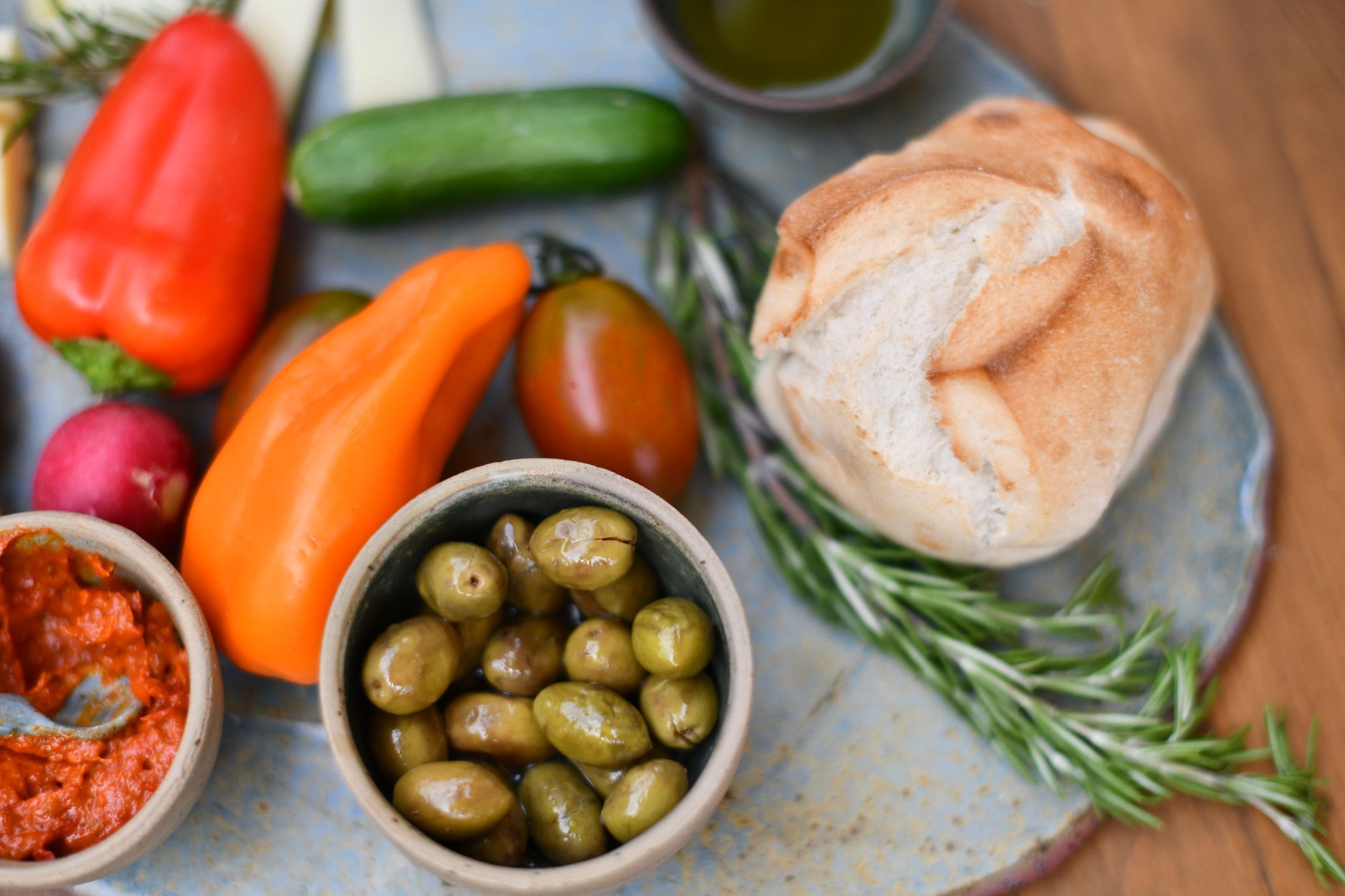
True regional cuisine cannot be detached from its dust, its rainfall patterns, or the hands that prune its hillside orchards when winter winds sweep across the Taygetus mountains.
Beyond the Standard Mediterranean Myth
For decades, commercial leisure marketing reduced Greek gastronomy to a handful of formulaic taverna plates. Yet venture inland past Sparta or down into the Mani peninsula, and culinary practice remains fiercely tied to season, micro-climate, and hyper-local biodiversity.
Here, wild greens (*horta*) are harvested at dawn according to precise micro-climates. Bitter chicory, wild fennel, and mountain oregano lend a peppery astringency that cuts cleanly through raw, unfiltered Koroneiki olive oil pressed only days earlier.
The Rebirth of Indigenous Amphora Wines
In high limestone terraces near Nemea and Mantinia, a young generation of viticulturists is turning away from international grape varieties. Instead, Agiorgitiko, Moschofilero, and Kydonitsa are fermented with native yeasts inside terracotta vessels, mirroring methods documented by Pausanias two millennia ago.
Field Tasting Notes:
- Wild Thyme Honey: Harvested after coastal blooms in September, presenting an amber resin finish.
- Kalamata Mountain Curing: Olives submerged solely in spring brine and wine vinegar without chemical accelerators.
- Sourdough of Dimitsana: Stone-milled heritage wheat leavened with wild grape starter and baked in wood-fired communal hearths.
A Table Grounded in Patience
To travel culinarily through this land is to surrender arbitrary schedules. Lunch rarely begins before the afternoon heat softens, stretching into dusk as glass carafes of orange wine empty alongside plates of salt-cured sardines and slow-braised mountain greens.